What should I eat during cancer treatment and after surgery
When you are fit, eating enough food
to get the nutrients and calories you need is usually not a problem. But when
you are diagnosed with cancer, this may be challenging to achieve especially if
you are undergoing treatment, have side effects, or just don’t feel well.
Eating well is important during this period, so that you can build up your
strength, and tolerate the effects of your cancer and your treatments better.
Standard treatment for cancer includes
surgery, chemotherapy, radiotherapy, and often a combination of the above.
Surgery is performed to remove the cancer, and
often includes the removal of an organ or part of an organ. Surgery is often
used together with radiation and/or chemotherapy. Prior to, and after surgery,
your body needs more calories and
protein for wound healing and recovery.
Radiotherapy uses radiation to kill cancer cells. The
degree of side effects from radiation depends on the area and size of the area
being radiated, the type and dose of radiation, and the number of treatments
needed. Overall, radiation can result in a decrease in appetite, nausea and vomiting.
Chemotherapy uses drugs to target the cancer cells.
The drugs can be taken by mouth or given through an injection. The drugs affect
the cancer cells, but can also affect your bone marrow, hair and the lining of
the stomach and intestines. This may cause patients to have difficulty
swallowing, nausea, vomiting, diarrhoea and constipation.
In addition, cancer itself can also
affect a patient’s eating habits. This may be due to changes caused by the
cancer in a patient’s body, or due to the location of the cancer. For example,
throat cancer can affect a patient’s swallowing, and as a result cause the
patient to have a reduced appetite. Other common problems that cancer patients
have include:
- 1. Bloatedness
- 2. Change in taste or smell
- 3. Constipation
- 4. Diarrhoea
- 5. Sore throat/mouth
- 6. Nausea
- 7. Weight loss
- 8. Loss of appetite
When the side effects of cancer or cancer
treatment affect a
patient’s food intake, changes can be made to help improve their nutrition.
Eating foods that are high in calories, protein, vitamins, and minerals is
beneficial. Here are some suggestions to help improve the nutrition of cancer
patients:
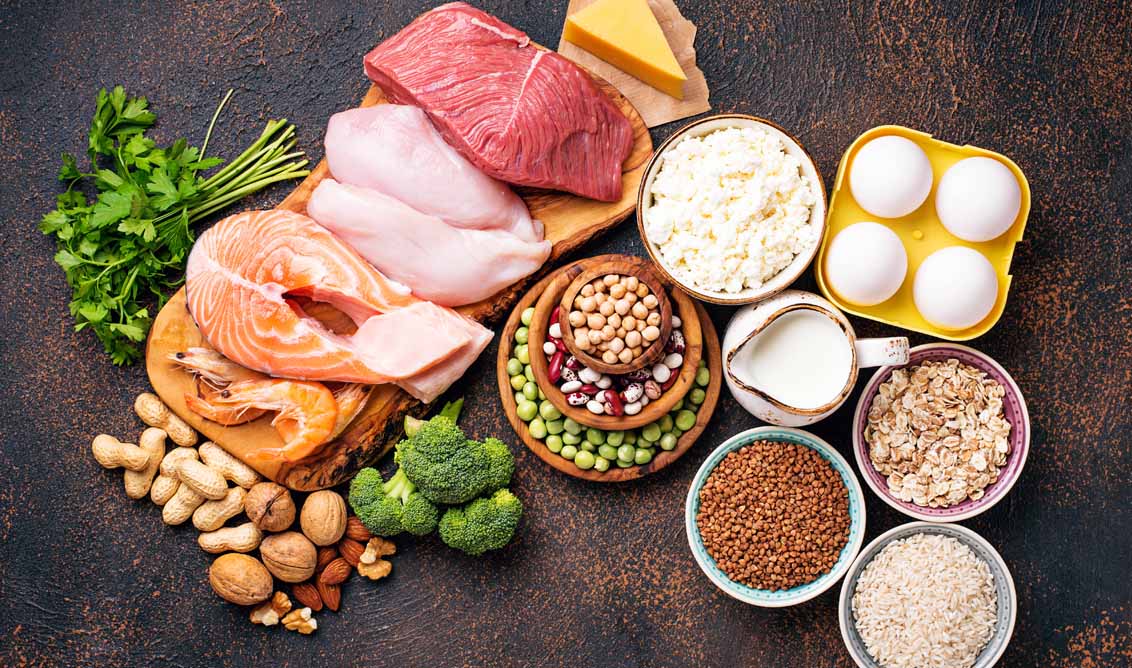
1. Eat foods that are high in protein
and calories. Examples of high-protein food include:
a. Beans, Chicken, Fish, Yogurt, Eggs,
Tofu, Cheese.
b. Add extra protein and calories to
food, such as using protein-enriched milk.
TIP: Eat high-protein foods first in your meal
when your appetite is strongest!
2. Drink milkshakes, smoothies,
juices, or soups if you do not feel like eating solid foods.
3. Eat small meals and healthy snacks
often throughout the day.
a. Eat 5 or 6 small meals every day
instead of 3 large meals.
4. Consider the use of dietary
supplements, such as multivitamins. These may be helpful especially if patients
are not able to get all their nutrients through food.
5. Be as active as possible so that
you will have a good appetite.
Some cancer patients may try special
diets i.e. vegan diet, macrobiotic diet, ketogenic diet. However, to our
knowledge, for most of these special diets, there is no evidence that show that
they are effective. Whilst this may be the case, there is often no harm trying
these diets. However, maintaining sufficient calories may be difficult with
some of the diets. Do discuss with your doctors if you plan to try any of these
special diets.
In addition to special diets, patients
have also enquired about nutritional supplements like Vitamin C and Probiotics.
Vitamin C may be helpful
for patients undergoing treatment as it can help with wound and tissue healing,
and help fight infections.
Probiotics are a mixture of microorganisms used as dietary supplements to help with digestion and bowel function. Some studies have shown that taking probiotics during radiation and chemotherapy can result in reduced side effects like diarrhoea, hence may be beneficial.
-----------------------------------------------------
Source: https://cancersurgery.sg/what-should-i-eat-during-cancer-treatment-and-after-surgery/


Comments
Post a Comment